Upload
Upload a clear color photo. Images with visible lighting, texture, and separation between the subject and background provide stronger tonal information for the conversion.
 AI Photo Editor
Upload a color photo to the monochrome filter online and describe the look you want. Generate a black and white result that preserves the original subject, tonal depth, textures, highlights, and shadows.
Upload a color photo to the monochrome filter online and describe the look you want. Generate a black and white result that preserves the original subject, tonal depth, textures, highlights, and shadows.
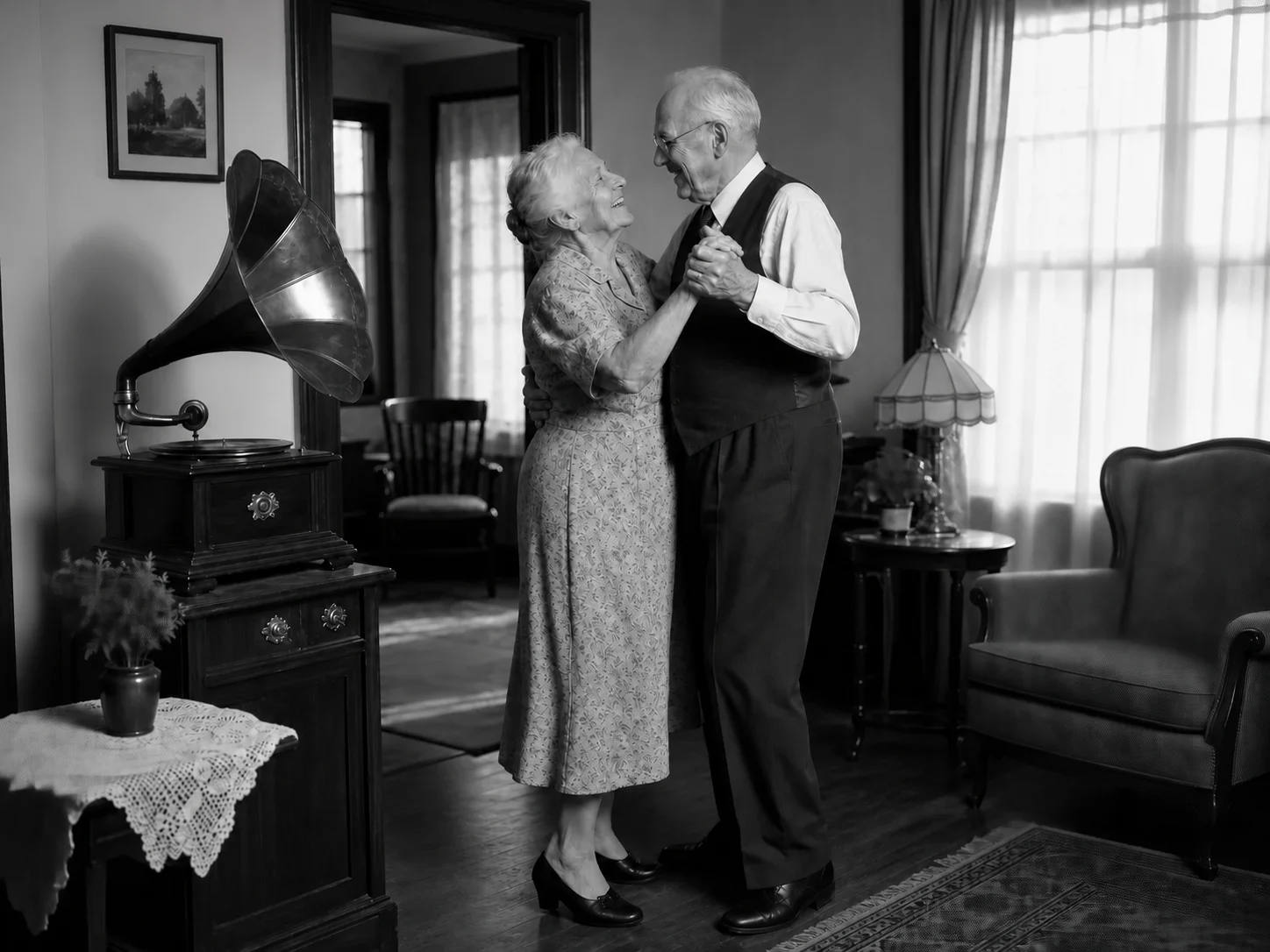

Upload a clear color photo. Images with visible lighting, texture, and separation between the subject and background provide stronger tonal information for the conversion.
Describe the contrast, lighting, or mood you want, then generate the monochrome version. The tool removes color while retaining the visible structure and details of the uploaded image.
Review the shadows, highlights, textures, and subject details, then download the finished monochrome photo for sharing, design, or print use.
The monochrome conversion emphasizes the relationship between highlights, midtones, and shadows. This helps portraits, landscapes, products, and everyday photos retain depth and visual separation after their original colors are removed.
The filter is designed to change the color treatment rather than replace the photographed content. Facial features, objects, composition, texture, lighting structure, and background relationships remain grounded in the uploaded image.
Use the prompt to guide a soft editorial look, a high-contrast dramatic result, or a balanced classic black and white treatment. This offers more creative direction than applying the same fixed grayscale preset to every photo.
Turn color photos into distinctive monochrome visuals for social posts, portraits, mood boards, stories, and personal creative projects.
Explore black and white treatments for layouts, campaigns, editorial concepts, print work, and visual references while preserving the source composition.
Create consistent monochrome campaign visuals, product images, promotional assets, and brand content with controlled tonal character.
A monochrome filter removes the original color information and rebuilds the image through light and dark tones. A considered conversion preserves contrast, texture, highlights, shadows, and the visual separation between subjects.
No. The intended edit changes the color treatment while keeping the original people, objects, facial features, pose, composition, background, and visible details grounded in the uploaded photo.
Yes. Describe whether you want soft contrast, balanced grayscale tones, dramatic shadows, bright highlights, or another monochrome mood. Clear guidance helps shape the tonal result.
Portraits, landscapes, architecture, street photography, products, and images with clear light, texture, or shape can work well. A sharp source photo provides more visible detail for the conversion to preserve.
Both remove color, but a monochrome treatment can also guide contrast, highlights, shadows, texture, and mood. This creates a more intentional result than applying a basic desaturation setting alone.
AI Photo Editor is your go-to AI image toolkit for generating, editing, and enhancing photos and artwork.
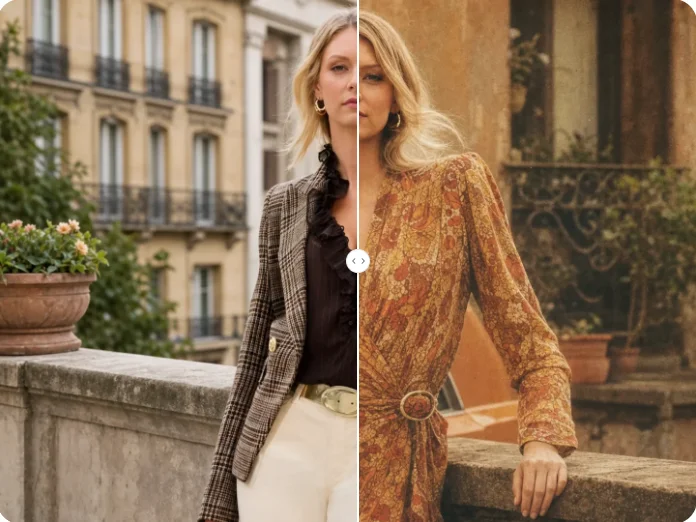
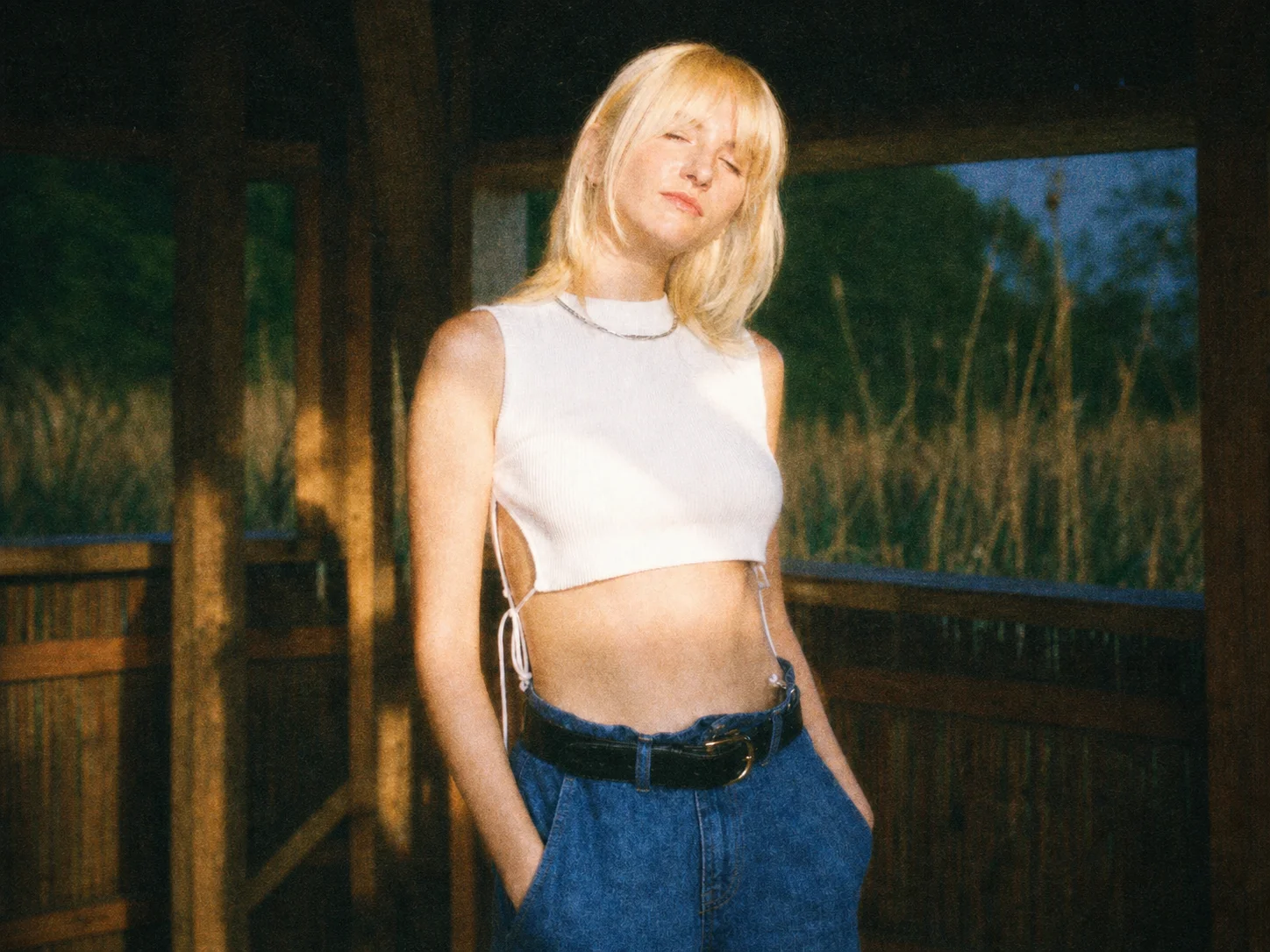

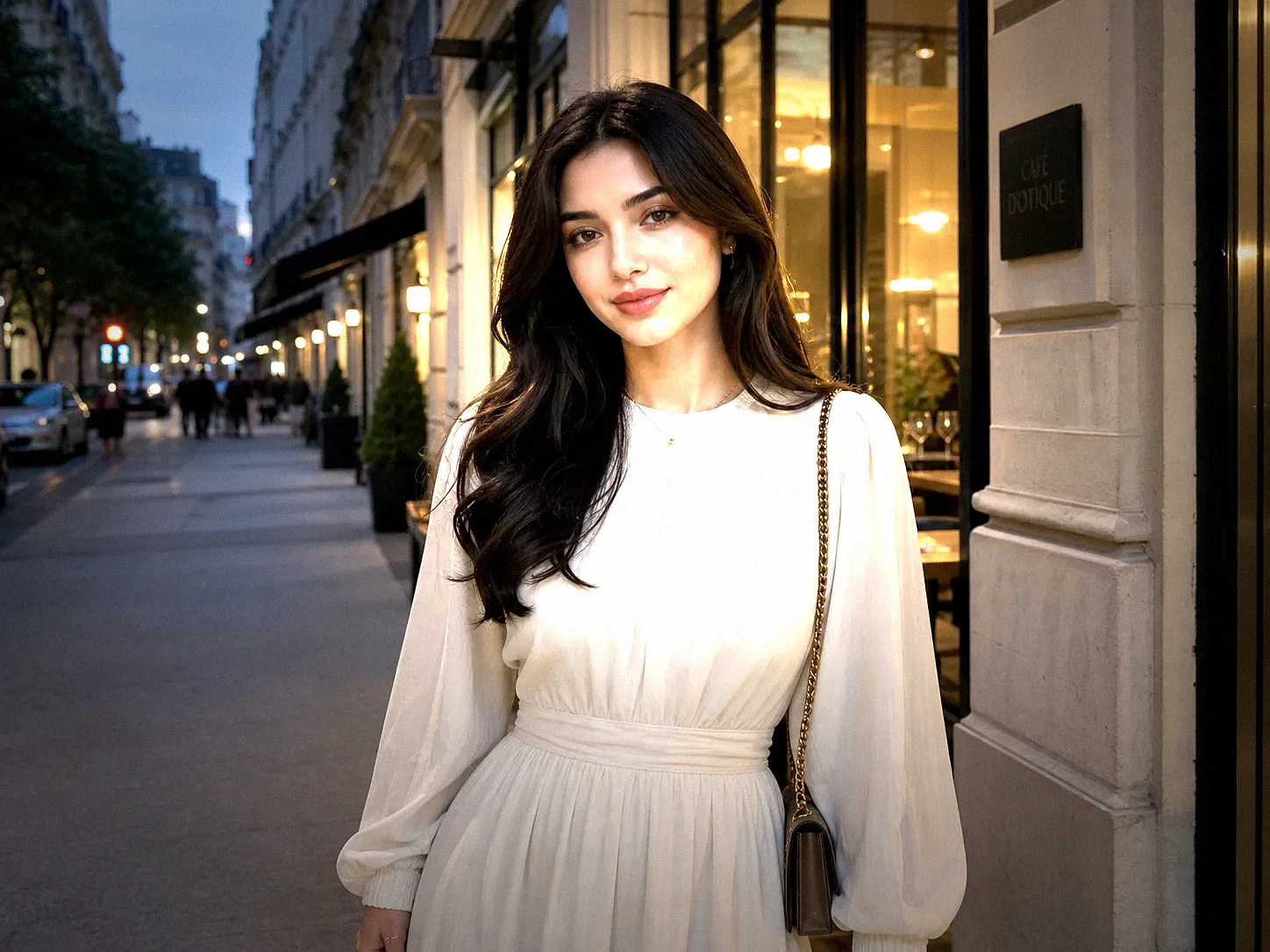
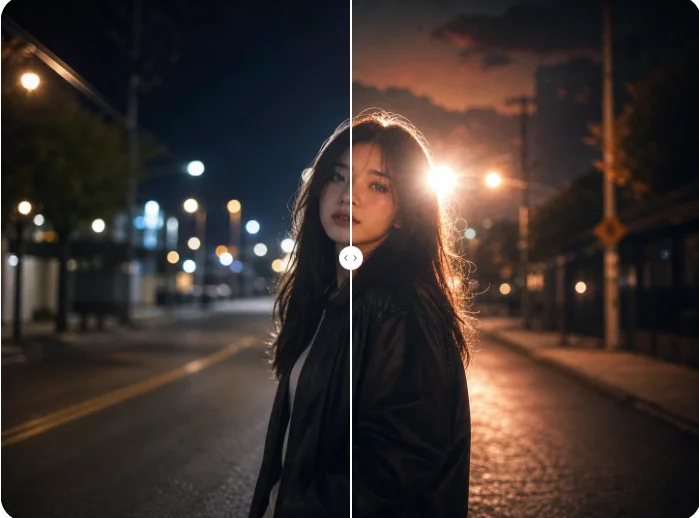
Convert a color photo into a balanced black and white image while preserving the subject, texture, contrast, and tonal depth.